July 3, 2024
Air Quality Testing for Home Buyers: Protect Your Health Today

A pre-purchase air quality inspection protects one of the biggest decisions you will ever make. Before you sign, it tells you whether a home hides mold or asbestos, problems that are expensive to fix and easy to miss on a walkthrough. The results give you leverage to negotiate repairs, adjust your offer, or walk away. The same logic applies to sellers too, here’s how to handle making testing a condition of your offer. For buyers across Ontario and Quebec, it is a small, one-time step that buys real peace of mind before closing.
Why Test Air Quality Before You Buy
Health and Safety
Ensuring a safe indoor environment is crucial. Biological and chemical pollutants can harm your health, and poor air quality can trigger respiratory issues and allergies.
Residential air quality testing helps identify hidden dangers. Black mold and VOCs (volatile organic compounds) are common threats in homes, and a pre-purchase test reveals these risks early, while you can still act on them.
Long-term Investment
Investing in air quality testing before you buy saves money long-term. It helps you avoid future health-care costs and unexpected remediation bills, and a clean indoor environment supports property value.
Future buyers prefer homes with good air quality, so preventive testing is far more cost-effective than fixing problems after you move in. A single inspection can flag a hidden issue that would otherwise cost thousands in repairs.
Legal Compliance
Sellers must disclose known air quality issues, and there are specific standards for indoor air quality that home buyers should be aware of.
A documented inspection helps avoid legal disputes after purchase. Knowing what was disclosed, and what was not, ensures both parties meet their obligations.
Common Indoor Pollutants
Biological Pollutants
Mold, pollen, and pet dander are common biological pollutants in homes. Mold grows in damp areas like basements and bathrooms. Pollen enters through windows and doors. Pet dander comes from animals’ skin flakes.
Exposure to these pollutants can cause allergies and asthma. Mold spores can lead to respiratory issues. Pollen may trigger sneezing and itchy eyes. Pet dander affects those with pet allergies.
To reduce biological pollutants, start with mold testing. Remediate mold by fixing leaks and using dehumidifiers. Keep pets out of bedrooms to limit dander, and clean regularly to remove pollen and dust.
Chemical Pollutants
Chemical pollutants in homes include VOCs, formaldehyde, and residue from cleaning agents. VOCs come from fresh paint and new furniture. Formaldehyde is found in pressed-wood products. Cleaning agents release harmful chemicals into the air.
A professional air quality inspection can flag these chemical sources. Use low-VOC products to reduce exposure, ventilate rooms when cleaning or painting, and run air purifiers to help remove chemical pollutants.
Long-term exposure to chemical pollutants may lead to serious health conditions, so reducing these contaminants is an important part of a healthy home.
Combustion Pollutants
Combustion by-products such as carbon monoxide (CO) and nitrogen dioxide (NO2) come from heating systems, stoves, and fireplaces. CO is odorless but very dangerous, and NO2 irritates the lungs.
These are home-safety concerns worth a buyer’s attention rather than part of our testing service. CO poisoning can be fatal, causing headaches and dizziness, and NO2 causes respiratory problems, especially in children.
Once you move in, install CO detectors near sleeping areas and fuel-burning appliances, ensure proper ventilation when using stoves or fireplaces, and have heating systems serviced regularly to prevent leaks.
Testing Methods and Tools
Professional Testing
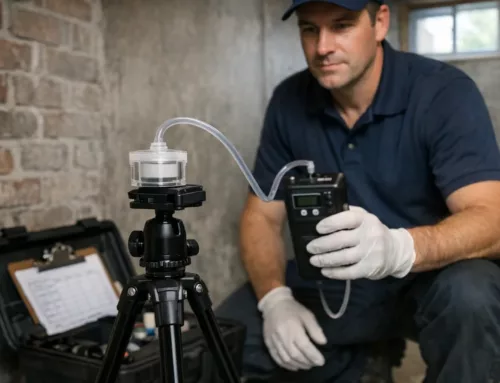
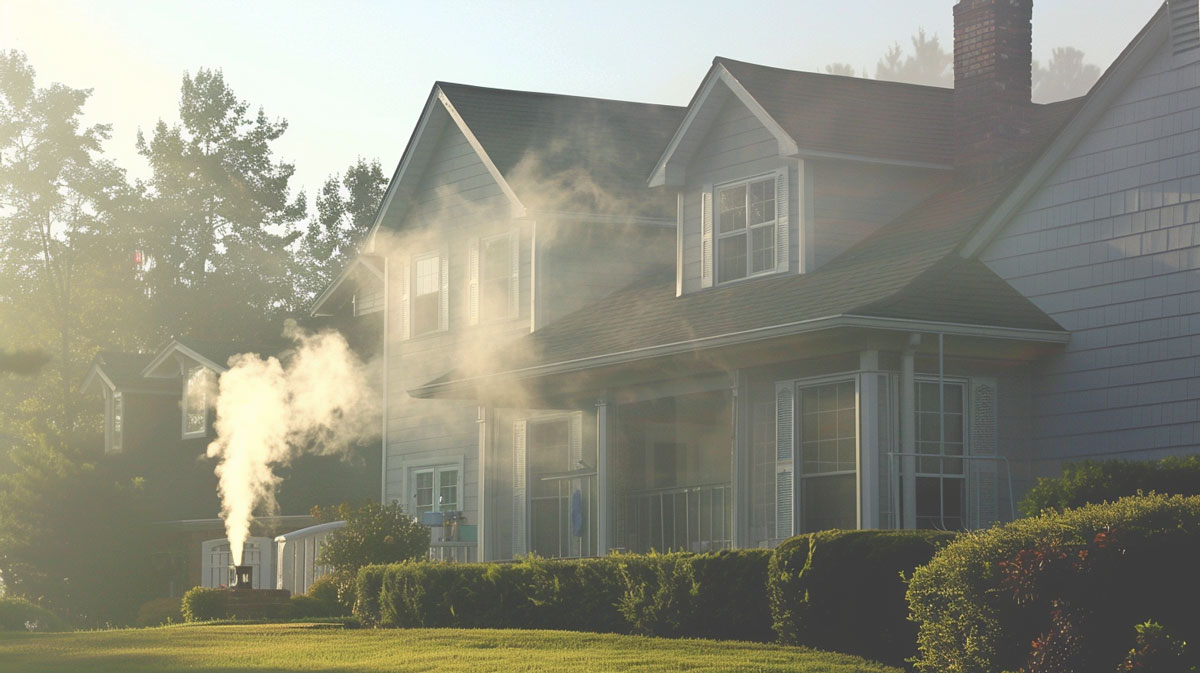
Hiring a professional inspector is the most reliable step for home buyers. Our certified inspectors bring specialized sampling equipment and lab analysis, and focus on the contaminants that matter most at point of sale: mold and asbestos. We back this with 20+ years and more than 15,000 inspections.
The process involves collecting air samples from different areas of the home, which are then analyzed in a lab. The results show the levels of contaminants present, and your inspector provides clear, actionable recommendations, such as better ventilation, remediation priorities, or what to negotiate with the seller.
DIY Testing Kits
DIY air quality testing kits are available for homeowners and help with preliminary assessments. They can detect some common pollutants between professional visits.
There are trade-offs to DIY testing. The pros are affordability and convenience; the con is limited accuracy compared with a professional evaluation, and kits may not detect every harmful pollutant, including the asbestos and hidden mold that matter most when buying a home.
Interpreting DIY results can also be challenging. Follow the instructions carefully, and if the results indicate high pollution levels, seek professional advice immediately.
Understanding Specific Risks

Hidden Risks in Older Homes
Older homes and finished basements can carry risks a buyer cannot see on a walkthrough. Radon, a naturally occurring soil gas, is one many Canadian buyers ask about; Health Canada publishes guidance on it for homeowners.
The contaminants we focus on for buyers are the ones that most often affect a sale and your family’s health: mold and asbestos. A pre-purchase inspection documents these clearly so you can negotiate repairs or walk away with confidence.
If you want a fuller environmental picture before closing, your inspector can point you toward the right specialist resources during the visit.
Combustion Safety for New Homeowners
Combustion appliances are worth a buyer’s attention. Carbon monoxide is odorless, so working CO detectors near sleeping areas and fuel-burning appliances are a basic safety step once you move in.
This is general home-safety advice rather than part of our testing service. To keep a new home safe:
-
Have heating systems serviced before your first winter.
-
Make sure kitchens and furnace rooms are properly ventilated.
-
Never run a car or generator in an attached garage.
Asbestos and Lead Paint
Asbestos fibers and lead paint dust pose serious health risks, especially in older homes built before 1980. Asbestos can cause lung diseases, while lead paint dust affects brain development in children, which makes this one of the most important checks for any buyer of an older property.
Professional asbestos testing can identify these hazardous materials before you commit. Inspectors use specialized equipment and accredited lab analysis to confirm what is present.
If asbestos or lead paint is found, hire professional remediation services to safely remove or contain these substances, and factor the cost into your offer.
Mitigating Air Quality Issues
Improving Ventilation
Good ventilation is important for maintaining healthy indoor air quality. It helps remove pollutants and brings in fresh air. Simple ways to improve home ventilation include using exhaust fans in kitchens and bathrooms, and opening windows when the weather allows.
Advanced systems like heat recovery ventilators (HRVs) provide continuous air exchange. HRVs can save energy while improving air quality, and are especially useful in newer homes with tight insulation.
Controlling Humidity
Humidity levels affect air quality. High humidity can lead to mold growth and allergens, so keeping indoor humidity between 30 and 50 percent is ideal. Dehumidifiers help control moisture levels, especially in damp areas like basements.
Fixing leaks quickly prevents excess moisture buildup. Monitoring humidity with a hygrometer ensures levels stay within the safe range and helps you avoid potential air quality problems down the road.
Regular Maintenance
Regular home maintenance is key to sustaining good air quality. Cleaning ducts and changing filters on schedule keeps dust and pollutants from spreading, and a simple maintenance routine keeps everything running smoothly.
Periodic professional inspections ensure all measures are working correctly. Inspectors can spot issues that homeowners might miss and provide air quality reports that highlight any concerns.
Summary
A pre-purchase air quality test is one of the smartest, lowest-cost moves a buyer can make. You have seen the common pollutants, the testing methods, the risks that hide in older homes, and the steps that keep a new home healthy, with mold and asbestos being the two that most often affect a sale.
Planning a purchase in Montreal, Ottawa, or anywhere we serve? Book a pre-purchase air quality inspection before your conditions deadline so the results are in hand when you need them. Visit our air quality testing near me page to find your city and request a test.
Frequently Asked Questions
Why is testing air quality important for home buyers?
A pre-purchase test tells you whether a home hides costly problems like mold or asbestos before you sign. It identifies hidden contaminants that affect both your health and your negotiating position, so you can make an informed decision.
What are common indoor pollutants?
For home buyers, the pollutants that most often affect a purchase are mold and asbestos, especially in older homes. Everyday allergens and humidity-driven moisture can also affect comfort and respiratory health.
What methods are used to test air quality?
Air quality can be assessed with professional inspections, portable monitors, and DIY kits. A professional inspection is the most accurate and is the standard choice for a real-estate purchase, while kits suit ongoing spot-checks.
How do I understand specific risks in my home?
Understanding specific risks involves identifying potential sources of pollution, then confirming them with lab-backed testing. Your inspector’s report explains what was found and what to do about it.
Can poor air quality affect property value?
Yes. Undisclosed mold or asbestos can decrease property value, lead to costly repairs, and deter future buyers due to health concerns, which is exactly why testing before you buy pays off.
How can I mitigate air quality issues?
Mitigate air quality issues by improving ventilation, controlling humidity, and addressing sources directly, for example through professional mold or asbestos remediation. Regular maintenance keeps the results lasting.
Are professional air quality tests worth the investment?
For a home purchase, yes. Professional tests provide accurate, lab-backed results and peace of mind, and can identify hidden mold or asbestos that DIY kits miss, often saving far more than they cost.